


Audible: Audiobooks & Podcasts
4.6263.00K Reviews
App Specs
- Version
- Varies with Device
- Updated On
- License
- Free
- Downloads
- 100,000,000+
- Developer
- Audible, Inc.
- Categories
- Books & Reference
- Platform
- Android, iOS
Screenshots




 Analysis by AppCompare
If you’re anything like me, you love diving into a good book but sometimes find it hard to carve out the time to sit down and read. Enter Audible: Audio Entertainment, the app that’s quickly become a game-changer for book lovers on the go. I’ve spent quite a bit of time exploring its features, and I’m here to spill the beans.
Why the first week can feel so easy
The appeal is immediate: a story can fit into a walk, a kitchen task, or the stretch of a commute when reading a screen would be inconvenient. I like that listening turns otherwise fragmented minutes into time with a book. The first few sessions can make a packed day feel unexpectedly spacious, especially if I choose one engaging title instead of browsing endlessly for the perfect one.
That first burst of enthusiasm is not the same as lasting value, though. Audio works best when I give it a dependable place in my routine. A short daily walk is often a better starting point than promising myself hours of listening; it makes progress feel natural without turning a relaxing story into another task to complete.
Guides and Analysis on Audible: Audiobooks & Podcasts
The Listening Experience
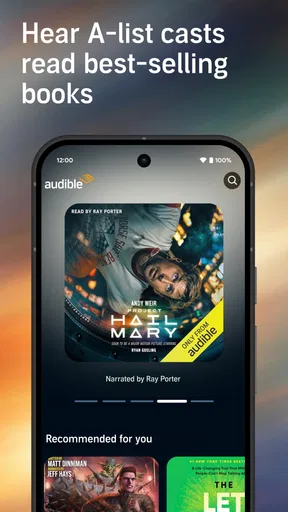
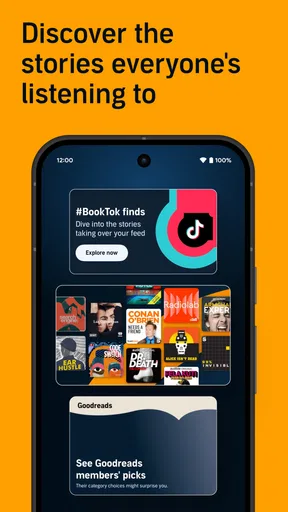
One of the first things I noticed about Audible is the sheer variety of content available. Whether you’re into thrillers, self-help, or biographies, there’s something for everyone. The app boasts a vast library, and honestly, the hardest part is choosing where to start. I’ve been hooked on the narrations, which are often performed by famous voices, adding an extra layer to the storytelling.
Listening to a book feels like having a personal performance just for you. The audio quality is top-notch, and the ability to download books for offline listening is a lifesaver for those long commutes or flights. Plus, the app’s sleep timer feature is a dream for those of us who love to doze off to a story.
Making listening fit real life
One practical way I use an audiobook is to reserve it for a particular activity, such as walking or cooking. That association helps me return to the same story instead of opening the app, scanning titles, and spending the whole available window deciding what to play. If a book has a complicated plot, I save it for a quieter walk or a familiar route rather than trying to follow it while juggling interruptions.
Downloads are especially useful when I know I will be without a steady connection, but I treat them as preparation rather than something to leave until the last moment. Before a trip, I check that the title I want is available offline and that I have enough phone storage for it. This small habit avoids relying on a connection at precisely the moment I want to listen.
Worth Reading Before You Choose

Baby Panda World Brings Quick Play to Modern Phones, but Its Game Library Feels Busy

ESPN’s Live Game View Makes Following Close Games Easier

QuizzLand Review: A Good Fit for Short Trivia Breaks, Not Every Player

Basketball Stars: Multiplayer Is Fast, but Can It Recover When Matches Go Wrong?

WEBTOON Turns Phone Updates Into a Better Reading Routine

Link to Windows Runs on Shared Habits, Not Social Feeds
The sleep timer has a different job from an ordinary pause: it lets me listen while winding down without having the story continue indefinitely after I fall asleep. I usually set it conservatively if I am listening to a book with details I care about, so I do not wake up having lost my place. If I am using audio to relax rather than follow every scene, a less exact setting matters less.
Navigating the App
The interface is pretty user-friendly, which makes browsing for your next listen a breeze. I appreciated the personalized recommendations based on my listening history—it’s like having a friend who just gets your taste. The app’s simple design means you can easily bookmark your favorite parts or even speed up the narration if you’re in a hurry.
I also love the WhisperSync feature, which lets you switch seamlessly between reading and listening. It’s perfect for when I’m hopping between my Kindle and Audible. The synchronization is so smooth, it feels like magic.
Choosing a pace and keeping your place
Playback speed is useful, but I would not treat faster as automatically better. A modest increase can make a familiar narrator feel more conversational and help with a nonfiction title I am revisiting; a tense novel or a performance with a distinctive rhythm may lose much of its character when rushed. I change speed to suit the book, then return to my normal setting when the listening starts to feel like work.
Bookmarks help with a different problem: they make it easier to return to a passage without trying to remember where a useful idea or striking scene appeared. I find them most valuable in practical nonfiction, where I may want to revisit a section later. For a novel, I usually listen straight through and save bookmarks for moments I genuinely want to find again, rather than marking every chapter and creating clutter.
WhisperSync is particularly handy if you already read Kindle books and want to alternate between the page and audio. It is not a reason by itself to buy a title, but when both formats suit a book I own, switching can keep the story moving through different parts of the day. Someone who does not use Kindle can simply enjoy Audible as an audio app; the feature matters most to readers who already move between those formats.
Month-to-month value, not just a good first listen
Audible is a Books & Reference app from Audible, Inc., and it is free to install, with optional in-app purchases. Its scale is clear in the store figures: it has a 4.6 average from around 1.7 million ratings and over 100 million installs. That reach makes sense for a service built around a broad listening library, but popularity alone does not tell me whether I will get lasting value from it. The real test is whether I use it often enough and choose titles I am happy to finish.
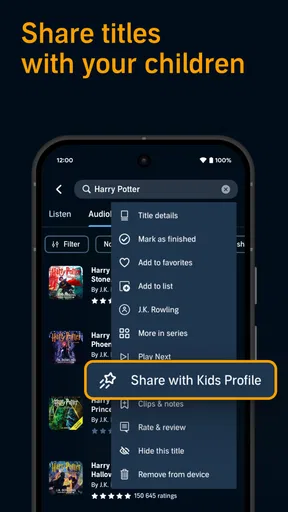
The app is rated Teen. That is useful context for families, but I would still check an individual book or podcast before choosing something for a younger listener; a general app age rating cannot stand in for judging every story’s subject matter. The free download also should not be confused with having every audiobook included at no cost. In-app purchases range from $0.49 to $279.99 per item, so I would review the purchase details in the app before committing to anything.
The membership model can make sense for someone who regularly finishes audiobooks and has a clear idea of what they want to hear. But the original membership terms described here—one monthly credit, sales, and access to a selection of titles—should be checked in the app before signing up, because plans and catalog access can vary. I would compare the current terms with the price of the specific audiobook I want rather than assuming a recurring payment is automatically a bargain.
For a light listener, the better value may be to use the app selectively and buy only when a particular title feels worth the cost. Someone who listens steadily may get more from a membership, especially if its included selection contains books they genuinely want. I would not subscribe just because the catalog looks large: a huge choice is only valuable when it turns into listening I enjoy, not a pile of tempting options I never start.
How it compares with reading and other audio
Compared with a printed book or an ebook, audio is more convenient when my hands or eyes are occupied, but it asks me to listen at the pace of the narrator. I can skim a page or reread a paragraph faster than I can replay a passage, so a reference book that I need to consult repeatedly may work better in text. For a memoir, novel, or narrative nonfiction title, a strong performance can make audio the format I reach for first.
Podcasts are usually easier to sample in short bursts, while an audiobook gives me a sustained experience with one title. Audible can suit someone who wants both kinds of listening in one place, but it does not remove the choice between them: if I only want quick updates or brief episodes, a podcast-focused routine may fit better. If I want to spend several walks with the same story, an audiobook is a more satisfying anchor.
Compared with free listening options, a paid audiobook service is most compelling when I care about a particular book, narrator, or a reliable way to continue a long title. Free alternatives can be enough for casual listening, and a library service may be preferable if borrowing suits my habits and the title I want is available. Audible’s convenience is not a universal win; I weigh it against the cost and how likely I am to finish what I choose.
Membership Perks
Now, let’s talk about the membership. For a monthly fee, you get access to one credit, which you can use to purchase any audiobook. It’s a pretty sweet deal considering the price of individual audiobooks. Plus, you get access to exclusive sales and the Audible Plus catalog, which offers a selection of titles at no extra cost. If you’re a voracious listener like me, it’s worth every penny.
And hey, if you’re not ready to commit, Audible offers a free trial to test the waters. It’s a great way to see if the app fits your lifestyle.
Keeping the app useful without creating another chore
The main maintenance burden is not complicated setup; it is deciding what deserves attention. Personalized suggestions can help me find something close to my taste, but they can also encourage more browsing when I already have a book in progress. I get more from the app when I keep a short mental queue and return to it, rather than treating every recommendation as a reason to abandon the current listen.
A realistic weekday routine might be a few chapters during a morning walk, then a brief session while preparing dinner. If I am interrupted, I rely on the app’s place in the book and use a bookmark only when I want to preserve a specific passage. This approach lets listening fit around ordinary life; it does not require a dedicated reading hour or a complicated tracking system.
There is also a real difference between background listening and attentive listening. Familiar or lightly structured material can accompany chores, but I do not expect to absorb a dense argument while answering messages or moving between tasks. When comprehension matters, I put the phone aside and listen without competing audio. That adjustment is simple, but it prevents me from blaming the narration or app when I have simply been distracted.
Where listening can become tiring
The abundance of choice can become its own friction. I sometimes spend more time browsing than listening, particularly when I am unsure whether I want a serious nonfiction book or an easy story. Picking one title for a specific mood and giving it a fair chance is more useful than trying to find a perfect match through endless recommendations.
Audio can also be a poor fit for people who like to jump around, scan pages, or compare exact wording. Narration adds interpretation: the speaker’s timing and tone shape how a sentence lands. That is one of the format’s pleasures, but it means the listener gives up some control over pace and emphasis. When I want to study closely or refer back to exact details, text is usually the better companion.
Finally, a recurring membership can feel wasteful in a month when life gets busy or I lose interest in my current book. I would pause before subscribing if my listening is irregular, if I usually finish only a small number of books, or if the current plan’s selection does not match my tastes. The app is easiest to enjoy when the payment structure follows a habit I already have, rather than being used to pressure myself into one.
Final Thoughts
In conclusion, Audible: Audio Entertainment is an absolute must-have for anyone who loves stories but struggles to find the time to read. The flexibility it offers—being able to listen while cooking, driving, or working out—has transformed my daily routine. If you haven’t checked it out yet, you’re seriously missing out on a world of captivating narratives.
My longer-term verdict is more measured: it earns a regular place on my phone when I am consistently listening and choosing titles I am excited to finish. The first-week novelty can fade, so I judge it by whether a walk, commute, or quiet evening genuinely becomes better with a book in my ears. If that keeps happening, Audible can be a worthwhile companion; if not, there is no shame in returning to print, podcasts, or occasional one-off listening instead.
Pros
- Wide selection of audiobooks and podcasts.
- Offline listening for convenience.
- Adjustable playback speeds.
- Seamless integration with Alexa.
- Regular updates with new features.
Cons
- Subscription can be pricey.
- Some titles have limited availability.
- Not all books have Whispersync.
- Requires internet for streaming.
- Limited customization for UI.
FAQs for Audible: Audiobooks & Podcasts
What types of content does Audible offer?
Audible provides a vast library of audio content, including audiobooks, podcasts, and original programming. You can find genres ranging from fiction and non-fiction to self-help and educational material. The app frequently updates its catalog, ensuring there’s always something new to explore, catering to diverse interests and tastes.
How does the Audible subscription model work?
Audible offers a membership plan where you receive one credit per month, which can be used to purchase any audiobook, regardless of its price. Members also gain access to Audible Originals and exclusive sales. There are options for additional credits and promotions, providing flexibility in how you use the service.
Can I listen to Audible content offline?
Yes, Audible allows you to download audiobooks and other audio content for offline listening. This feature is particularly handy for commuting or traveling when internet access might be limited. Once downloaded, you can enjoy your audiobooks anytime, without worrying about connectivity issues.
Is Audible compatible with multiple devices?
Audible is compatible with a wide range of devices, including smartphones, tablets, and computers. You can sync your progress across devices, allowing you to seamlessly continue listening from where you left off, whether you switch from your phone to your tablet or use the desktop application.
What accessibility features does Audible offer?
Audible is designed with accessibility in mind, offering features such as adjustable playback speed, sleep timers, and bookmarks. The app supports screen readers and provides detailed navigation to assist those with visual impairments. These features ensure a user-friendly experience for everyone, regardless of their needs.


